

D-Mannose can effectively support urinary tract health in dogs. Administering the correct dosage is crucial for achieving the desired benefits without adverse effects.
D-Mannose Dosage Guidelines for Dogs
D-Mannose is a simple sugar that helps prevent urinary tract infections by inhibiting harmful bacteria from adhering to the bladder wall. This natural supplement is often recommended for dogs prone to urinary issues. Knowing the appropriate dosage is essential for maximizing its effectiveness while ensuring safety.
Recommended Products

Extra Strength Urinary Tract Support & High Proanthocyanidin Content – Our potent cranberry supplement for dogs helps maintain bladder strength and normal urine pH. D-Mannose and probiotics also support digestive balance & gut health
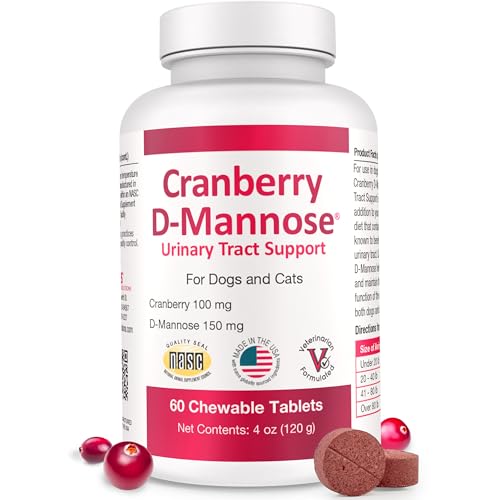
🐾 Powerful Urinary Tract Defense Formulated with Cranberry Extract, D-Mannose, and Vitamin C, this supplement helps flush out harmful bacteria and supports bladder and urinary tract health in both dogs and cats. Cranberry’s natural antioxidants and anti-adhesion properties help reduce the risk of recurring UTIs.

Treats DOG and CAT U.T.I.s by Preventing Bacteria from Sticking to the Walls of the Urinary Tract
D-Mannose Dosage Guidelines for Dogs
Understanding the appropriate dosage of D-Mannose for dogs is crucial for effective urinary tract support. This section provides clear guidelines to help pet owners administer the right amount based on their dog’s weight and specific needs, ensuring optimal health benefits while minimizing potential risks.
The dosage of D-Mannose varies based on the dog’s weight and health condition. Below is a comprehensive dosage chart to guide pet owners.
| Dog Weight (lbs) | Daily Dosage (grams) |
|---|---|
| 5-10 | 0.5 |
| 11-20 | 1.0 |
| 21-40 | 1.5 |
| 41-60 | 2.0 |
| 61-80 | 2.5 |
| 81+ | 3.0 |
Always consult a veterinarian before starting any new supplement regimen.
D-Mannose Health Benefits for Dogs
D-Mannose is gaining attention as a natural supplement for dogs, particularly for its potential to support urinary tract health. This simple sugar may help prevent bacterial adhesion in the urinary tract, reducing the risk of infections. Understanding its health benefits can guide pet owners in making informed decisions about their dog’s wellness.
D-Mannose offers several health benefits for dogs, particularly in urinary tract support. Its ability to prevent bacterial adhesion can reduce the frequency of infections. Additional benefits include:
-
Enhanced bladder health
-
Reduced inflammation
-
Support for overall urinary function
These advantages make D-Mannose a valuable addition to a dog’s health routine.
D-Mannose Administration Techniques for Dogs
Administering D-Mannose to dogs can be an effective way to support urinary tract health. Understanding the various techniques for administration is crucial for ensuring your pet receives the correct dosage and benefits from this natural supplement. This section explores practical methods to help you incorporate D-Mannose into your dog’s routine safely and effectively.
Administering D-Mannose to dogs can be straightforward. Here are effective methods to ensure proper intake:
-
Mix with food: Combine the powder with wet food for easier consumption.
-
Use treats: Incorporate the powder into homemade treats for a tasty option.
-
Direct oral administration: If your dog is cooperative, you can give the powder directly.
Monitor your dog for any signs of discomfort after administration.
D-Mannose Side Effects in Dogs
While D-Mannose is often used to support urinary tract health in dogs, it’s important to be aware of potential side effects. Understanding these effects can help pet owners make informed decisions about their dog’s treatment and ensure their well-being. This section outlines the possible side effects associated with D-Mannose to provide clarity for dog owners considering this supplement.
While D-Mannose is generally safe, some dogs may experience mild side effects. Common reactions include:
-
Gastrointestinal upset
-
Diarrhea
-
Nausea
If any severe reactions occur, discontinue use and consult a veterinarian immediately.
D-Mannose Usage Guidelines for Dogs
D-Mannose is increasingly recognized as a natural remedy for supporting urinary tract health in dogs. Understanding the appropriate dosage is crucial for maximizing its benefits while ensuring safety. The following guidelines provide detailed information on how to effectively administer D-Mannose to your canine companion.
Before introducing D-Mannose, consider the following factors:
-
Existing health conditions: Dogs with diabetes or kidney issues should use D-Mannose cautiously.
-
Current medications: Check for potential interactions with other medications.
-
Veterinary guidance: Always seek advice from a veterinarian for personalized recommendations.
Supplement Options for Canine Urinary Health
When considering D-Mannose for supporting your dog’s urinary health, it’s essential to explore various supplement options available. Each product may offer different formulations and dosages, tailored to meet the specific needs of your canine companion. Understanding these options can help you make informed decisions for optimal urinary tract support.
In addition to D-Mannose, several other supplements can support urinary health in dogs. Some notable options include:
-
Cranberry extract: Known for its antibacterial properties.
-
Probiotics: Help maintain a healthy gut flora.
-
Glucosamine: Supports overall bladder health.
Consult with a veterinarian to determine the best combination for your dog’s needs.
Dog Urinary Health Monitoring Tips
Maintaining your dog’s urinary health is crucial for their overall well-being. By closely monitoring their habits and behaviors, you can identify potential issues early on. The following tips will help you keep track of your dog’s urinary health and ensure they receive the support they need.
After starting D-Mannose, keep an eye on your dog’s urinary habits and overall health. Look for improvements such as:
-
Reduced frequency of urination
-
Less straining during urination
-
Improved energy levels
If you notice any negative changes, seek veterinary advice promptly.
D-Mannose Dosage Guidelines for Dogs
Understanding the appropriate dosage of D-Mannose for dogs is crucial for effectively supporting their urinary tract health. This section provides clear guidelines on how much D-Mannose to administer based on your dog’s weight and specific health needs, ensuring safe and beneficial use of this natural supplement.
D-Mannose can be a beneficial supplement for dogs suffering from urinary tract issues. Proper dosage and administration are key to its effectiveness. Always prioritize your dog’s health by consulting with a veterinarian before starting any new supplement.
