

Does your dog keep biting at its paws? It can be frustrating to watch your furry friend fuss over their feet. Whether it’s due to allergies, boredom, or anxiety, paw biting is a common issue that many pet owners face.
Key Takeaways
- Understanding Causes: Dog paw biting can arise from various issues, including allergies, boredom, anxiety, infections, or skin conditions like dermatitis.
- Identifying Discomfort Signs: Watch for excessive licking, swelling, vocalization, behavioral changes, and limping to determine if your dog is in distress.
- Effective Home Remedies: Remedies such as warm compresses, oatmeal soaks, coconut oil applications, and anti-itch sprays can provide immediate relief for paw irritation.
- Seeking Veterinary Care: Persistent paw biting, foul odors, or visible swelling may signal serious conditions requiring veterinary attention and proper diagnosis.
- Preventative Measures: Implement training techniques, regular exercise, allergen management, and comfortable spaces to proactively reduce paw biting behavior in dogs.
- Consultation for Tailored Solutions: Engage with veterinarians for specialized treatment plans, including medications or dietary changes, to address underlying issues effectively.
Understanding Dog Paw Biting
You might notice your dog biting at their paws more often than you’d like. This behavior can result from several underlying issues, all of which warrant attention.
Common Reasons for Paw Biting
- Allergies: Allergies can prompt dogs to bite their paws. Food allergies, environmental allergens, or contact allergens might cause itching and irritation.
- Boredom: Dogs that lack physical and mental stimulation may resort to paw biting as a form of entertainment. It’s essential to keep them engaged with toys and activities.
- Anxiety: Stressful situations, including changing environments or separation from their owners, often lead to anxiety. Dogs may bite their paws as a coping mechanism.
- Infections: Fungal or bacterial infections can affect the paws, causing discomfort. If your dog bites their paws frequently, check for signs of infection.
- Dermatitis: Conditions like dermatitis can irritate the skin and lead to biting. Seasonal changes often exacerbate these issues.
Signs of Discomfort in Dogs
You can identify discomfort in your dog through specific behaviors. Look for these signs:
- Excessive Licking: Frequent licking at the paws can indicate irritation or discomfort.
- Swelling or Redness: Observing any swelling or redness around the paws signifies potential issues.
- Whining or Whimpering: Vocalizations can indicate your dog’s distress when attempting to bite or chew their paws.
- Changes in Behavior: Increased aggression, withdrawal, or changes in appetite might suggest underlying pain.
- Limping: If your dog starts limping or favoring a paw, it may indicate injury or discomfort prompting the biting behavior.
Recognizing these signs helps you address your dog’s needs promptly.
Effective Remedies for Paw Biting
Addressing a dog’s paw biting requires immediate action to alleviate discomfort and prevent further irritation. You can implement various effective remedies tailored to your dog’s needs.
Recommended Products
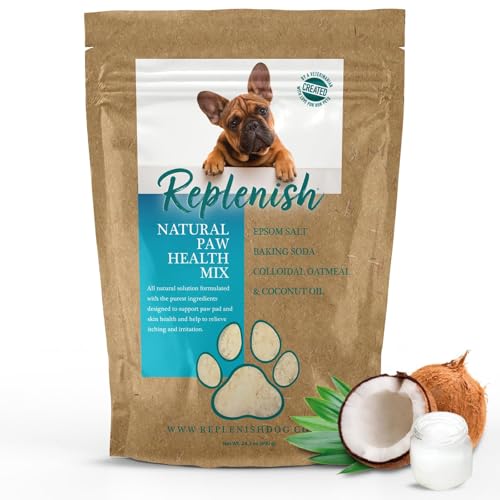
𝐕𝐄𝐓𝐄𝐑𝐈𝐍𝐀𝐑𝐈𝐀𝐍-𝐃𝐄𝐕𝐄𝐋𝐎𝐏𝐄𝐃 𝐃𝐎𝐆 𝐏𝐀𝐖 𝐏𝐑𝐎𝐓𝐄𝐂𝐓𝐎𝐑: Our paw protection for dogs feet is scientifically formulated to restore dry cracked dog paws. Made in the USA, this dog paw moisturizer helps repair cracked dog paw pad treatment and prevent damage.

Fast & Easy Spa-Like Treatment – Drop 1 fizzy tablet into warm water, soak for 3 to 5 minutes, and massage gently. Works with paw plungers, tubs, or bowls.

Dog Paw Balm for Dry Cracked Paws: This paw soother for dogs deeply moisturizes dry, cracked paw pads with a rich conditioning balm that supports paw comfort after summer walks, hot pavement exposure, and everyday outdoor adventures
Home Remedies
- Warm Compress: Apply a warm, moist compress to your dog’s paws for several minutes. This soothes inflammation and promotes healing.
- Oatmeal Soak: Mix colloidal oatmeal in warm water and allow your dog to soak its paws. Oatmeal reduces itching and irritation from allergies.
- Epsom Salt Solution: Dissolve Epsom salt in warm water and let your dog’s paws soak. This can relieve soreness when dealing with minor wounds.
- Coconut Oil: Rub organic coconut oil on your dog’s paws. Its moisturizing properties can help soothe dry, irritated skin.
- Hydrocortisone Cream: Apply a small amount of hydrocortisone cream on affected areas, but avoid usage on open wounds. Consult a vet before using it.
- Anti-itch Sprays: Look for sprays containing natural ingredients to ease itching. These sprays provide immediate relief and can deter further biting.
- Bitter Apple Spray: Use this deterrent to stop your dog from biting its paws. The unpleasant taste discourages continued licking and chewing.
- Protective Booties: Invest in dog booties to protect paws from allergens or irritants. These also help prevent biting during healing.
- Allergy Medications: Consider antihistamines approved for dogs to combat allergic reactions. Always check with your vet for suitable options.
- Infection Treatments: If you suspect a fungal or bacterial infection, over-the-counter topical treatments can help. Consult your vet for a proper diagnosis and recommended product.
When to Seek Veterinary Help
Recognizing when a dog’s paw biting requires veterinary assistance is vital. If your dog shows persistent paw biting that doesn’t improve with home remedies, veterinary help may be necessary.
Identifying Serious Issues
Observe your dog for any serious signs. If you notice:
- Persistent Licking: Continuous licking despite attempts to stop may indicate an underlying issue.
- Swelling or Redness: Inflammation or discoloration suggests a more serious condition.
- Foul Odor: A bad smell can indicate infections such as bacteria or fungi.
- Limping: Difficulty walking points to possible injury or pain.
- Changes in Appetite or Behavior: Withdrawal from activities or losing interest in food may hint at discomfort.
These signs warrant a vet visit for a thorough examination and diagnosis.
Treatment Options from a Veterinarian
Veterinarians provide effective treatment plans based on the diagnosis. Options may include:
- Medications: Anti-inflammatory drugs for pain relief or antibiotics for infections.
- Allergy Testing: Identifying specific allergens may lead to customized treatment strategies.
- Specialized Diets: Prescription diets can help manage food allergies or intolerances.
- Topical Treatments: Creams or ointments may soothe irritated skin or address infections directly.
- Behavioral Therapy: Consultation may provide strategies to reduce anxiety or boredom.
Consulting a veterinarian ensures you receive tailored advice and treatment for your dog’s specific needs.
Preventative Measures
Taking proactive steps can help reduce the chances of your dog biting its paws. Focus on training techniques and environmental adjustments to create a more comfortable space for your pet.
Recommended Products

Effective No Chew Spray for Pets - Skout's Honor Super Sour! Anti Chew Spray is specially formulated to deter your pets from chewing, biting, and licking hot spots, paws, and household items.

SO DISGUSTINGLY BITTER – Fooey Spray is so disgustingly bitter, we actually have a registered trademark to say it’s “the most bitter stuff on earth” The taste comes from grapefruit skin extract and the herb known as “The King of Bitters.” These all-natural active ingredients deliver a safe, effective and powerful deterrent to destructive chewing, biting and licking behaviors.
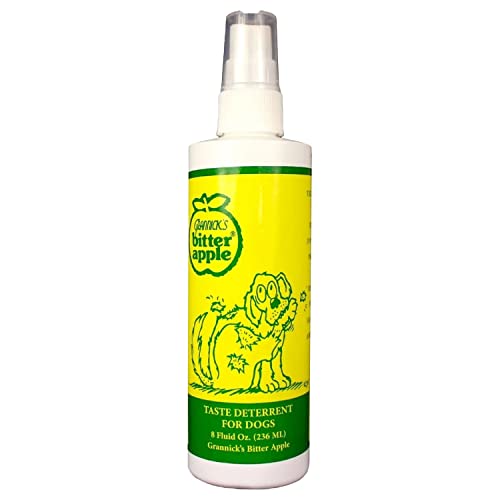
Taste Deterrent and Training Aid for Dogs.
Training Techniques
- Positive Reinforcement: Use treats or praise to reward your dog for stopping paw biting behavior. This encourages them to associate good behavior with something they love.
- Redirect Attention: If you catch your dog biting its paws, redirect its focus with a toy or engage in playtime. This can help reduce boredom or anxiety.
- Teach Commands: Train your dog to respond to commands like “leave it” or “stop.” These commands can be effective in interrupting undesired behaviors.
- Routine Exercise: Ensure your dog gets plenty of physical activity daily. Regular walks, play sessions, or trips to the dog park can combat boredom and anxiety, reducing paw biting tendencies.
- Allergen Management: Identify and eliminate potential allergens in your dog’s environment. Regularly clean their bedding and remove any irritants they might encounter in your home.
- Safe Spaces: Create a designated, comfy area for your dog. This space should include blankets or toys, offering a sense of security when they feel anxious.
- Routine Cleanliness: Regularly check and clean your dog’s paws after outdoor activities to remove irritants like dirt or pollen.
- Humidity and Temperature Control: Maintain a comfortable indoor climate to prevent dry skin or irritation. Use humidifiers in dry conditions and ensure proper ventilation in warmer weather.
Incorporating these techniques and adjustments can greatly enhance your dog’s overall comfort, ultimately reducing the likelihood of paw biting incidents.
Conclusion
Addressing your dog’s paw biting can be a journey but it’s one that’s well worth it for their comfort and happiness. By identifying the underlying causes and implementing the right remedies you can help soothe their paws and reduce this frustrating behavior.
Don’t hesitate to reach out to your veterinarian if the issue persists or worsens. They can provide tailored advice and treatment options that suit your dog’s specific needs.
With a bit of patience and care you can create a happier environment for your furry friend. Remember that your efforts will not only relieve their discomfort but also strengthen the bond you share.
Frequently Asked Questions
Why do dogs bite at their paws?
Dogs may bite at their paws due to several reasons such as allergies, boredom, anxiety, infections, or dermatitis. Allergies could stem from food, environmental factors, or contact irritants. Boredom or lack of stimulation can lead to repetitive behaviors, while anxiety can cause stress-induced biting. It’s essential to observe your dog’s behavior to identify the root cause.
What signs indicate my dog is uncomfortable?
Signs of discomfort in dogs include excessive licking of their paws, swelling or redness, vocalizations like whining, changes in behavior, and limping. If you notice any of these signs, it’s crucial to address their needs promptly to prevent further issues.
What home remedies can help if my dog bites their paws?
Effective home remedies for paw biting include applying a warm compress to soothe inflammation, using an oatmeal soak to reduce itching, and soaking in an Epsom salt solution for soreness. Organic coconut oil can also help with dry skin. Always consult your vet before trying new treatments.
When should I take my dog to the vet?
You should take your dog to the vet if paw biting persists despite home remedies, or if they show serious symptoms like persistent licking, swelling, foul odor, limping, or changes in appetite or behavior. A vet can provide a thorough examination and appropriate treatment options.
How can I prevent my dog from biting their paws?
Preventative measures include training techniques like positive reinforcement and commands to redirect undesired behavior. Providing routine exercise can help reduce boredom and anxiety. Additionally, managing allergens and maintaining a clean environment can also minimize the risk of paw biting incidents.
