

Has your furry friend ever had a bleeding gum? It can be alarming to see your dog in discomfort. Whether it’s from dental issues or an injury, knowing how to handle the situation is crucial for their health and happiness.
Key Takeaways
- Identify Causes: Dog gum bleeding can arise from periodontal disease, dental injuries, foreign objects, blood disorders, or poor oral hygiene. Understanding these causes is key to effective treatment.
- Recognize Symptoms: Look for visible blood, red or swollen gums, bad breath, difficulty eating, and excessive drooling as signs that your dog may have gum issues.
- Immediate First Aid: Stay calm, apply gentle pressure to the bleeding area, avoid irritation, flush the mouth if needed, and monitor your dog closely for changes.
- Seek Veterinary Care: Persistent or worsening bleeding requires prompt veterinary attention, which may include dental cleanings, tooth extractions, or medication.
- Preventive Care: Regular dental check-ups and proper dental hygiene practices, such as using dog-specific toothbrushes and toothpaste, can significantly reduce the risk of gum problems.
- Utilize Dental Products: Incorporate dental chews, water additives, and mouthwashes designed for dogs into their routine for overall oral health improvements.
Understanding Dog Gum Bleeding
Dog gum bleeding can result from several factors, including dental issues and injuries. Identifying the root cause is crucial for effective treatment and maintaining your furry friend’s health.
Common Causes of Gum Bleeding in Dogs
- Periodontal Disease: Periodontal disease causes bacteria buildup, leading to gum inflammation and bleeding.
- Dental Injuries: Trauma from chewing hard objects can result in chipped teeth or gum lacerations.
- Foreign Objects: Items stuck between teeth can irritate gums, leading to bleeding.
- Blood Disorders: Conditions like thrombocytopenia affect blood clotting and can cause unexplained bleeding.
- Poor Oral Hygiene: Neglecting dental care can lead to plaque buildup and gum disease.
- Visible Blood: Noticeable blood on toys, bowls, or the floor indicates active bleeding.
- Red or Swollen Gums: Healthy gums appear pink; any significant discoloration requires attention.
- Bad Breath: Persistent bad breath often signals dental issues and infections.
- Difficulty Eating: If your dog hesitates or declines food, chewing may cause pain due to gum irritation.
- Excessive Drooling: Increased saliva production can accompany gum problems, indicating discomfort.
Recognizing these causes and symptoms helps in determining the best course of action for your dog. Seeking veterinary advice is often essential for proper diagnosis and treatment.
Immediate Steps to Take
Act quickly if you notice your dog’s gums bleeding. Taking immediate action can prevent further issues and promote healing.
Recommended Products

Splinter Picker/Tick Remover: Safely remove splinters and ticks from your dog's paws and body

READY FOR ADVENTURE: ARCA PET First Aid Kit for dogs, with dog travel accessories, ensures preparedness for minor and major situations, providing your pet the care it needs on your outdoor excursions.

1. BE PREPARED FOR ANY PET EMERGENCY – Vet-approved dog & cat first aid kit with pet-safe medical supplies, perfect for home, car, and outdoor adventures. Designed for fast, effective emergency care.
Assessing the Severity of the Bleeding
Start by determining how severe the bleeding is. Check the following indicators:
- Amount of Blood: Observe if it’s a small spot or a steady drip. A small amount may indicate minor irritation, while heavy bleeding suggests a more serious issue.
- Duration: Note how long the bleeding lasts. Bleeding that continues for more than a few minutes needs immediate veterinary attention.
- Other Symptoms: Look for additional signs, such as swelling, redness, or changes in behavior. If your dog exhibits lethargy, loss of appetite, or excessive drooling, these could signal a more urgent problem.
First Aid Measures at Home
Implement first aid measures to manage the situation effectively:
- Stay Calm: Your dog can sense your anxiety. Staying calm helps keep your dog relaxed.
- Apply Pressure: Use a clean cloth or gauze to gently apply pressure to the bleeding area for about 5 minutes. Most minor bleeding should stop with consistent pressure.
- Avoid Irritation: Ensure your dog doesn’t touch the injury with their tongue. If necessary, use an Elizabethan collar to prevent further irritation.
- Flush the Mouth: If your dog has a foreign object in their mouth, flush the area gently with water to remove debris. Avoid putting your fingers near the bleeding site.
- Monitor: Observe your dog closely for the next few hours. Look for changes in behavior or continued bleeding.
If the bleeding persists or worsens, contact your veterinarian promptly for further assistance.
Veterinary Treatments
Vet intervention becomes vital when your dog’s gums bleed. Professional treatments effectively address underlying issues while ensuring your pet’s comfort.
Recommended Products

SOOTHING AND EFFECTIVE: Vet’s Best Enzymatic Dental Gel is a veterinarian-formulated blend with aloe, neem oil, grapefruit seed extract, baking soda, and enzymes to calm your dog’s gums while efficiently removing plaque and tartar buildup.

Freshens Breath: Say bye to doggy breath with a mint gel that leaves your pet with a fresh, clean mouth.

EFFECTIVE PET ORAL CARE - this specially formulated pet dental gel helps fight bad dog breath, cat breath, and provide protection against the formation of plaque and tartar buildup. See cleaner teeth in 30 days or less, with daily use as directed
Common Dental Procedures for Gum Issues
- Dental Cleaning: This process removes plaque and tartar buildup, which can cause gum disease. It’s often performed under anesthesia for thorough cleaning.
- Scaling and Planing: Scaling targets deeper gum pockets to eliminate bacteria, while planing smooths tooth roots, promoting gum healing.
- Tooth Extraction: In cases of severe periodontal disease or damaged teeth, extraction removes the problematic teeth, preventing further gum irritation.
- Gum Surgery: Surgical procedures may be necessary to repair damaged tissues or address significant infections.
- Antibiotics: Your vet may prescribe antibiotics to combat bacterial infections that contribute to gum bleeding.
- Anti-Inflammatory Drugs: These medications reduce swelling and pain, helping your dog feel more comfortable during recovery.
- Topical Treatments: Special gels or rinses introduced by your veterinarian can promote healing and minimize bleeding in specific areas.
Consider regular dental check-ups to prevent gum problems from reoccurring. Always communicate openly with your veterinarian about your dog’s symptoms and treatment options.
Preventive Measures
Preventing gum bleeding in dogs involves proactive dental care and consistent practices. You can significantly reduce the risk of gum issues by following these guidelines.
Recommended Products

WOUND SEAL POWDER helps stop bleeding caused during nail trimming or from cuts sustained while playing. Applied directly to the wound, our blood clotting powder accelerates the coagulation process. Curicyn Blood Stop Powder is a great addition to your dog first aid kit!
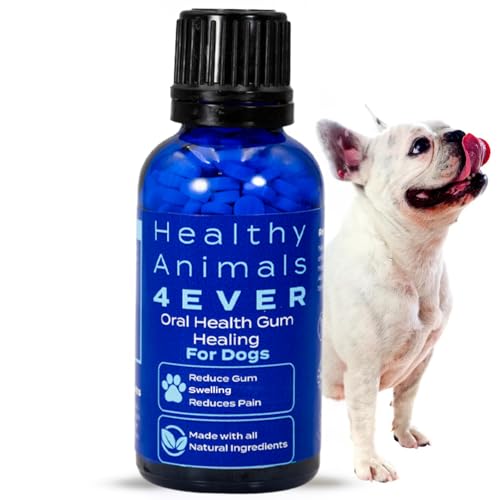
Oral and Gum Support for Dogs: Healthy Animals 4 Ever’s Oral Health Gum Remedy for Dogs features an all-natural proprietary blend of powerful organic minerals to support your dog’s oral health. These homeopathic pellets are a gentle yet effective alternative to traditional medication, helping your pet avoid nasty side effects and harsh chemicals.

Your Pooch Needs Your Attention For His Oral Care --- To keep the dental health of your pet in shape, SunGrow dog toothbrush comes with a dual headed brush to suit your different sized pets. It helps in keeping diseases like periodontitis at bay. In this set, you will get two special finger brushes that will help you clean those hard to reach places.
Importance of Regular Dental Check-ups
Regular dental check-ups play a crucial role in your dog’s oral health. Veterinarians can spot early signs of dental disease, removing plaque and tartar before they lead to bleeding gums. Aim for check-ups every six months or as recommended by your vet. During these visits, professional cleanings may help maintain your dog’s gum health and avoid potential complications.
Recommended Dental Care Products for Dogs
Using the right dental care products helps maintain your dog’s oral health. Here are some recommended options:
- Toothbrushes: Choose a dog-specific toothbrush with soft bristles to prevent gum damage. Finger brushes can also work well for smaller dogs.
- Toothpaste: Always use pet-formulated toothpaste. Human toothpaste contains ingredients harmful to dogs.
- Dental Chews: Look for dental chews designed to reduce plaque and tartar buildup. These can also promote chewing, which benefits gum health.
- Water Additives: Consider water additives that promote oral hygiene. They can help reduce bacteria and freshen breath when added to your dog’s drinking water.
- Mouthwashes: Dog-safe mouthwashes can help reach areas that brushes may miss, providing additional protection against gum disease.
Incorporating these products into your dog’s routine makes a difference in their gum health while fostering a more enjoyable experience for both you and your pet.
Conclusion
Taking care of your dog’s dental health is essential for preventing gum bleeding and ensuring their overall well-being. By staying vigilant and recognizing the signs of gum issues you can act quickly and seek proper treatment when needed. Regular dental check-ups and a consistent oral care routine can go a long way in keeping those gums healthy.
Don’t hesitate to reach out to your veterinarian if you notice any problems. They’re your best resource for keeping your furry friend happy and healthy. With the right care and attention your dog can enjoy a pain-free smile for years to come.
Frequently Asked Questions
What causes bleeding gums in dogs?
Bleeding gums in dogs can occur due to several factors, including periodontal disease, dental injuries, foreign objects lodged in the mouth, blood disorders, and poor oral hygiene. Identifying the underlying cause is important for effective treatment.
What are the signs of gum issues in dogs?
Key signs of gum issues include visible blood on toys or in the mouth, red or swollen gums, bad breath, difficulty eating, and excessive drooling. Observing these symptoms can help you detect problems early.
How should I respond if my dog’s gums bleed?
If your dog’s gums are bleeding, first assess the severity. Rinse their mouth gently if possible and try to stop bleeding using a clean cloth. If bleeding persists or worsens, contact your veterinarian for immediate assistance.
When should I take my dog to the vet for bleeding gums?
You should take your dog to the vet if the bleeding does not stop within a few minutes, if it’s excessive, or if your dog shows additional symptoms like swelling, pain, or changes in appetite.
What treatments might my vet recommend for bleeding gums?
Veterinarians may recommend treatments such as dental cleanings, tooth extractions, gum surgery, and medications like antibiotics or anti-inflammatories. The specific treatment will depend on the underlying cause of the bleeding.
How can I prevent gum issues in my dog?
Preventing gum issues in dogs involves regular dental check-ups, maintaining good oral hygiene at home with brushing, and using dental care products like chews and mouthwash specifically designed for pets.
What dental products are best for dogs?
Recommended dental products for dogs include dog-specific toothbrushes, veterinary-approved toothpaste, dental chews, water additives, and dog-safe mouthwashes. These can help promote better oral health and prevent gum disease.
How often should I have my dog’s teeth checked?
Regular dental check-ups are recommended at least once a year or as advised by your veterinarian. More frequent visits may be necessary for dogs prone to dental issues.
