

Have you noticed your dog obsessively licking its paws? It’s a common sight for pet owners, but when that licking turns into raw, irritated skin, it can be concerning. You might feel helpless watching your furry friend in discomfort, unsure of what to do next.
This article will guide you through practical steps to help your pup heal and find relief. From identifying the cause of the licking to effective home remedies and when to seek veterinary care, you’ll gain the knowledge to support your dog’s recovery. With a little help, you can get your furry companion back to their playful self in no time.
Key Takeaways
- Identify Causes: Understand that excessive paw licking can stem from allergies, injuries, skin conditions, boredom, or parasites, all contributing to your dog’s discomfort.
- Recognize Symptoms: Watch for signs like redness, swelling, foul odor, bleeding, or limping to determine the severity of the issue and decide on appropriate actions.
- Immediate Care Steps: Clean the affected paw with lukewarm water and mild soap, apply a pet-safe antiseptic, and monitor your dog’s reaction to encourage healing.
- Home Remedies: Utilize natural remedies such as aloe vera, coconut oil, oatmeal soaks, chamomile tea, and honey to soothe mild irritation and support recovery.
- Seek Vet Help When Necessary: If symptoms are severe or persistent, consult a veterinarian for prompt diagnosis and treatment to prevent infections or worsening conditions.
- Prevent Future Issues: Regularly check and care for your dog’s paws, identify potential allergens, and adopt preventive measures like using boots during walks to maintain paw health.
Understanding Why Dogs Lick Their Paws
Dogs often lick their paws for various reasons, leading to raw skin and discomfort. Identifying the cause of this behavior is crucial for finding a solution.
Common Causes of Excessive Licking
- Allergies: Food or environmental allergens can cause itching, prompting your dog to lick their paws. Common allergens include pollen, dust mites, and certain food ingredients.
- Injuries: Cuts, scrapes, or foreign objects stuck in paw pads may lead to licking in an attempt to soothe the pain.
- Skin Conditions: Conditions such as dermatitis or fungal infections can make your dog’s paws itchy. Signs of skin issues include redness, swelling, or unusual odors.
- Boredom or Anxiety: Dogs may lick their paws as a nervous habit. Lack of exercise or mental stimulation can exacerbate this behavior.
- Parasites: Fleas, ticks, or mites can irritate your dog’s skin, leading to excessive licking. Regular parasite control helps prevent this issue.
- Redness: Look for signs of inflammation, which may appear as red or irritated skin on the paws.
- Swelling: Swollen paws may indicate an underlying issue that needs attention.
- Foul Odor: A noticeable smell can signify infection, warranting a vet visit.
- Bleeding or Discharge: Watch for blood or pus, indicating a more serious problem that requires veterinary care.
- Limping or Favoring One Paw: If your dog avoids putting weight on a paw, it likely indicates pain or discomfort.
Recognizing these signs early allows for timely interventions and helps promote your dog’s healing.
Immediate Steps to Take
When you notice your dog licking its paw raw, acting quickly can make a significant difference. Follow these immediate steps to help your dog find relief.
Recommended Products

ANTISEPTIC SKIN CARE: Vet-recommended dog ointment helps heal cuts, scrapes, redness and minor skin irritations.

HELPS SUPPORT HEALTHY SKIN - Formulated with powerful ingredients to help soothe red, scaly, greasy, or smelly skin while adding moisture to support skin health
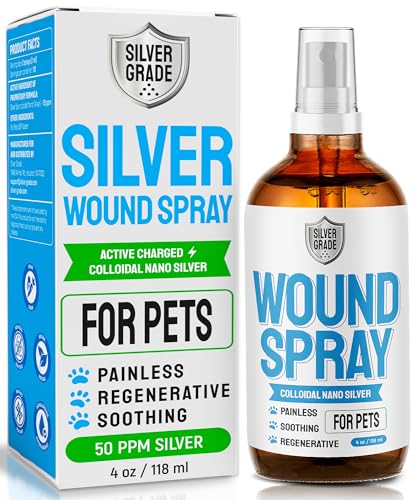
COMPREHENSIVE HELP: The Wound Spray is ideal for cat & dog hot spot treatment. Helps with scratches, cuts & skin irritations. It is perfect for dog wound care, as it provides a quick effect.
Cleaning the Affected Area
- Gather supplies: Get lukewarm water, a mild soap formulated for pets, and a soft cloth or sponge.
- Rinse the paw: Gently rinse the affected paw under lukewarm water to remove dirt and debris.
- Clean the area: Use a mild soap and the cloth to carefully scrub the raw area. Avoid harsh chemicals or human soaps.
- Dry the paw: Pat the paw dry with a clean towel, ensuring all moisture is removed to prevent further irritation.
- Choose a barrier: Use a pet-safe antiseptic spray or ointment made for skin irritations. Consider options with soothing ingredients like aloe or calendula.
- Apply the product: Generously apply the barrier ointment to the clean, dry area. Ensure that it’s evenly covered.
- Monitor your dog: Observe your dog for any adverse reactions. If your dog licks it off right away, consider using an Elizabethan collar or other protective wear to prevent licking.
- Reapply as needed: Follow the product instructions for reapplication frequency. Regular applications help protect the area while it heals.
These immediate steps promote healing and comfort for your dog. If conditions worsen or the licking persists, you may want to consult a veterinarian for further evaluation.
Home Remedies for Raw Paws
Home remedies can aid in soothing raw paws. These methods often use easily accessible ingredients to help your dog feel more comfortable.
Recommended Products

BALM FOR DOGS AND CATS: Organic Coconut oil for dogs, a soothing, natural treatment for dogs dry nose, elbows, ears, paws and wrinkles that heals and softens a pet's dry skin. As a dog ear cleaner or paw balm, coconut oil provides safe and highly effective itch relief for dogs. Great benefits for your feline friends too- all natural coconut oil is great for cats itchy skin, cracked paws and is effective in cleaning cat ears.

Powerful 3-IN-1 Formula - Not just organic coconut oil! A potent blend of cold-pressed virgin coconut oil, olive oil, and sunflower oil for a natural solution that promotes healthy skin and coat. Ideal for dog paw balm and coat protection.

BALM FOR DOGS AND CATS: Organic Coconut oil for dogs, a soothing, natural treatment for dogs dry nose, elbows, ears, paws and wrinkles that heals and softens a pet's dry skin. As a dog ear cleaner or paw balm, coconut oil provides safe and highly effective itch relief for dogs. Great benefits for your feline friends too- all natural coconut oil is great for cats itchy skin, cracked paws and is effective in cleaning cat ears.
Natural Soothing Agents
- Aloe Vera: Apply pure aloe vera gel to raw areas. This plant possesses anti-inflammatory properties that promote healing.
- Coconut Oil: Massage organic coconut oil into affected paws. It moisturizes the skin and helps prevent further licking.
- Oatmeal Soaks: Mix ground oatmeal with lukewarm water. Soak your dog’s paws for 10-15 minutes to relieve itching and irritation.
- Chamomile Tea: Brew chamomile tea and let it cool. Use a clean cloth to apply it to the inflamed area, as chamomile has calming properties.
- Honey: An all-natural antiseptic, honey can be applied in a thin layer over raw areas. It helps combat infection while promoting healing.
When to Use a Homemade Solution
Use a homemade solution when your dog’s paw shows mild irritation without severe symptoms like bleeding or intense swelling. If you notice your dog licking their paws but the area remains clean and dry, a soothing agent can provide relief. Monitor your dog closely, and avoid using remedies that contain alcohol or fragrances, as these may cause further irritation. If there’s no improvement within a few days or if symptoms worsen, consult a veterinarian for professional advice.
Professional Intervention
If your dog licks its paw raw, professional intervention may become necessary. Understanding when to seek veterinary assistance and what treatments are available can fast-track your dog’s healing.
Recommended Products
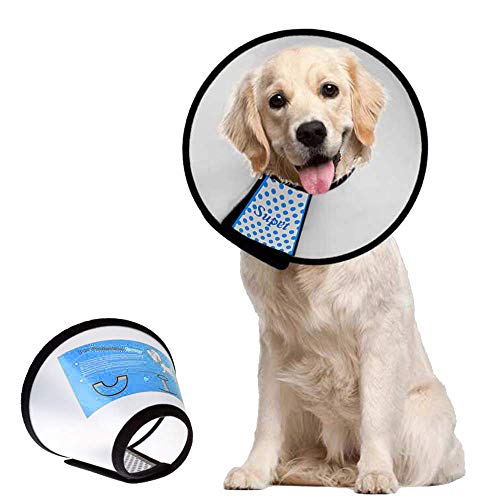
GREAT PROTECTION FOR YOUR PETS: The dog cone collar is a safe and good method of preventing your pet from aggravating a healing wound or injury. Helps to overcome lick-bite, Itch-scratch cycle. Ending self-Inflicted wound aggravation or mutilation, prevent your pet bite others in the dermatology / Beauty / surgical procedure.
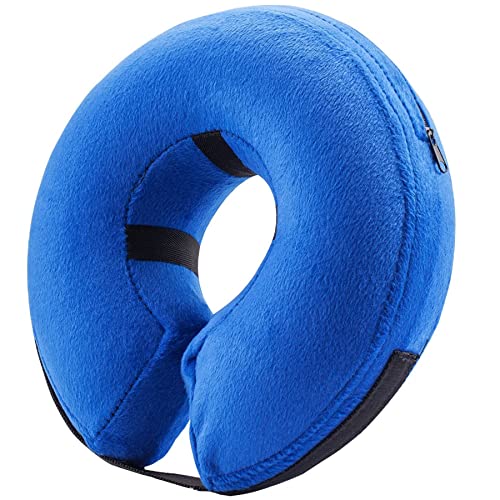
PROTECTIVE AND GENTLE CARING - Bencmate dog cone collar is a perfect dog cone alternative after surgery. Inflated dog donut collar works like a plump barrier around your canine's neck, The dog cone collar after surgery is designed to protect your pets from injuries, rashes, and post-surgery wounds, it prevents your pets from biting and licking their injured area or surgical site and promote recovery from surgery or wounds. The soft material also provides gentle caring for your pets.

[FUNCTION] QIYADIN pet recovery cone is a professional and effective tool for postoperative cats and dogs. It prevents them from licking and biting incisions and helps them recover faster and better. It can also be used in pet grooming and skin disease treatment.
When to See a Veterinarian
You should consult a veterinarian if your dog’s paw shows severe symptoms. Look for signs such as:
- Persistent licking or chewing
- Excessive redness or swelling
- Bleeding or open sores
- Foul odor coming from the paw
- Limping or difficulty walking
If home remedies haven’t helped within a few days, or if symptoms worsen, it’s crucial to get professional help. Early veterinary intervention can prevent infections and further discomfort.
Potential Treatments and Medications
Your veterinarian may recommend several treatments based on the cause of the licking. Potential options include:
- Topical medications: These may include anti-inflammatory creams or ointments to ease irritation and promote healing.
- Oral medications: Antibiotics or corticosteroids can address infections or reduce inflammation and allergies.
- Cone or protective boot: Prevent your dog from licking its paw while it heals. These products shield the affected area from further irritation.
- Allergy testing: If allergies are suspected, your vet might suggest tests to identify specific triggers.
Follow your veterinarian’s guidelines closely for the best outcome. Consider scheduling follow-up appointments to monitor healing progress and adjust the treatment plan when necessary.
Preventing Future Licking
Preventing future paw licking starts with identifying and addressing the root causes of irritation. Taking proactive steps helps ensure your dog’s comfort and health.
Identifying Allergens and Irritants
Identifying allergens and irritants involves examining your dog’s environment and lifestyle. Common allergens include specific foods, pollen, dust mites, and certain chemicals. Begin by keeping a journal to track your dog’s licking habits, diet, and exposure to potential allergens. If you suspect food allergies, consult your veterinarian for recommended elimination diets. Regularly cleaning your home reduces dust and pollen build-up, while using hypoallergenic products can minimize skin irritations.
Consider using boots or paw protectors during walks to prevent contact with allergens on the ground. If your dog licks its paws after being outside, wash its paws with plain water to remove irritants. Detecting and reducing allergens helps keep your dog’s paws healthy and irritation-free.
Importance of Regular Paw Care
Regular paw care is crucial for maintaining your dog’s paw health. Frequent inspections allow you to catch any issues early. Look for signs of redness, cuts, or foreign objects lodged between the paw pads.
Trim the fur around the paws to prevent debris accumulation. Check for long nails that might cause discomfort and lead to licking. Regularly washing your dog’s paws with gentle soap removes dirt and potential allergens.
Implement a routine for paw checks and cleaning, ideally once a week. Consistent care promotes healthy paws and builds awareness of any changes requiring your attention. Supporting your dog’s paw health with these practices reduces the risk of future licking incidents.
Conclusion
Taking care of your dog’s paws is essential for their overall well-being. By understanding the reasons behind excessive licking and addressing them promptly you can help your furry friend heal and feel comfortable again. Remember to use gentle home remedies and keep an eye on any changes in their condition.
If things don’t improve or worsen don’t hesitate to reach out to your vet for professional advice. With a little attention and care you’ll not only soothe those raw paws but also strengthen the bond you share with your pup. Keeping their paws healthy ensures they can enjoy playtime and adventures with you for years to come.
Frequently Asked Questions
Why does my dog lick their paws excessively?
Excessive paw licking may indicate allergies, skin conditions, boredom, anxiety, or parasites. Identifying the underlying cause is crucial for effective treatment and relief.
What are the signs that my dog’s paw is irritated?
Look for redness, swelling, foul odor, bleeding, or limping. If you notice any of these symptoms, take action promptly to help your dog heal.
How can I clean my dog’s raw paw at home?
Gently clean the affected area with lukewarm water and a mild pet soap. After that, dry the paw thoroughly to prevent further irritation.
What home remedies can I use to soothe my dog’s raw paws?
Natural remedies like aloe vera, coconut oil, oatmeal soaks, chamomile tea, and honey can help soothe mild irritation. Avoid products with alcohol or fragrances.
When should I consult a veterinarian about my dog’s licking?
Consult a vet if there are severe symptoms like persistent licking, bleeding, foul odor, or if home remedies don’t improve the condition within a few days.
How can I prevent my dog from licking their paws in the future?
Identify and address underlying causes by keeping a journal of licking habits and potential allergens. Regular paw care and cleaning can also minimize irritations.
