

Have you ever stood in your backyard, waiting for your dog to do their business, only to be met with a stubborn refusal? You’re not alone. Many dog owners face this frustrating situation, and it can leave you scratching your head.
Understanding why your furry friend won’t go outside can make a world of difference. Whether it’s anxiety, health issues, or simply a preference for indoor comfort, knowing the reasons behind this behavior can help you find a solution. In this article, you’ll discover practical tips and insights to encourage your dog to embrace outdoor potty breaks, making life easier for both of you.
Key Takeaways
- Understand Underlying Issues: Recognize that anxiety, health problems, and previous negative experiences can be key factors affecting your dog’s reluctance to go outside for bathroom breaks.
- Establish a Consistent Routine: Create a predictable potty schedule by taking your dog out at the same times every day, such as after meals and before bedtime.
- Utilize Positive Reinforcement: Encourage outdoor bathroom use by rewarding your dog with treats and praise immediately after they relieve themselves outside.
- Adapt to Environmental Factors: Consider weather conditions and potential distractions that may deter your dog; choose quiet, familiar locations for bathroom breaks.
- Monitor Health Closely: Pay attention to any signs of discomfort or health issues; consult your veterinarian to rule out underlying medical problems that could impact your dog’s bathroom habits.
- Gradually Introduce the Outdoors: Help your dog build confidence in outdoor settings by gradually increasing their exposure and creating a positive experience during bathroom breaks.
Common Reasons Dogs Refuse to Go Outside
Understanding why your dog refuses to go outside for bathroom breaks involves examining various factors. Recognizing these reasons helps you address the issue effectively.
Recommended Products

Food-Grade Silicone:Our lick mat is crafted from premium food-grade silicone, 100% BPA-Free and Non-Toxic. 4 different textured surface design is perfect for yogurt, peanut butter, and other spreadable treats

RECOMMENDED BY PROFESSIONAL TRAINERS Professional trainers use and recommend Tricky Trainers for dog training & behavior aids.

RECOMMENDED BY PROFESSIONAL TRAINERS Professional trainers use and recommend Tricky Trainers for dog training & behavior aids.
Fear and Anxiety
Fear and anxiety significantly impact your dog’s willingness to go outside. Traumatic experiences, like loud noises or aggressive encounters, create a strong aversion to outdoor spaces. For instance, if your dog had a frightening experience during a storm, they may associate the outdoors with that fear.
Signs of anxiety include hiding, whining, or refusing to budge at the door. You can help alleviate this by creating a positive outdoor environment. Consider using treats or praise when your dog steps outside. Gradually introduce them to the outdoor setting in a calm manner, allowing them to explore at their own pace.
Health Issues
Health problems often contribute to your dog’s reluctance to go outside. Conditions such as urinary tract infections (UTIs) or gastrointestinal issues may cause discomfort. If your dog associates outdoor bathroom breaks with pain, they’re unlikely to want to go outside.
Keep an eye out for signs of distress, like straining during elimination or excessive licking of their stomach area. Consulting a veterinarian for underlying health concerns ensures your dog’s well-being. If medical issues arise, treating these correctly can restore your dog’s confidence in going outside.
Training and Behavior Factors
Understanding training and behavior factors can help in addressing why your dog won’t go to the bathroom outside. Various elements, such as routine and past experiences, play critical roles in this behavior.
Recommended Products

Highly Palatable with natural pork liver base

REAL MEAT FIRST: BLUE Bits treats for dogs are made with real salmon first; perfect for dogs that love a tender, meaty snack

REAL CHICKEN FIRST: Baby BLUE Training Treats are made with delicious real chicken as the first ingredient, plus DHA for cognitive development, making them the ideal reward for your puppy’s best behavior
Inconsistent Routine
Inconsistent potty routines confuse dogs. Dogs thrive on predictability. If potty breaks happen at varying times throughout the day, your dog may not understand when it’s time to relieve itself. Establishing a consistent schedule helps your dog know when to expect outdoor bathroom breaks.
Consider these steps to create a reliable routine:
- Set Regular Times: Take your dog out after meals, playtime, and before bed.
- Stay Consistent: Stick to this schedule every day, even on weekends.
- Use Signals: Associate a specific command or phrase with bathroom time.
Negative Experiences
Negative experiences outdoors can greatly impact your dog’s willingness to go outside. Traumatic events like loud noises, aggressive encounters with other animals, or painful bathroom trips may lead to fear of the outdoors. You might notice your dog displaying reluctance, avoidance, or anxiety when it’s time to head out.
To help your dog overcome these fears, consider the following strategies:
- Create a Safe Space: Ensure the outdoor area feels secure and comfortable.
- Use Positive Reinforcement: Offer treats and praise when your dog goes outside, reinforcing good behavior.
- Gradually Increase Exposure: Slowly expose your dog to the outdoors, starting with brief visits and gradually extending the time.
By addressing these training and behavior factors, you can guide your dog toward a more positive outdoor experience.
Environmental Influences
Environmental factors significantly affect your dog’s bathroom habits. Recognizing and adapting to these influences can encourage your dog to relieve itself outdoors.
Weather Conditions
Extreme weather conditions can deter your dog from going outside. Rain, snow, or extreme heat may create discomfort. If your dog hesitates during inclement weather, consider the following:
- Check for Comfort: Ensure your dog’s coat is suitable for the weather. Short-haired breeds may require a doggy coat in cold weather.
- Timing is Key: Choose the right time for bathroom breaks. If it’s pouring rain, wait for a break before heading out.
- Positive Reinforcement: Reward your dog with treats or praise when they do go outside, even if it’s a quick bathroom break.
Surroundings and Distractions
The environment outside can also influence your dog’s behavior. Various sights, sounds, and smells can distract or overwhelm your pet. To manage these distractions, try these strategies:
- Familiarize Your Dog: Regularly walk your dog in the same area to help them feel secure. Familiarity can build confidence.
- Reduce Noise: If traffic or other loud noises create anxiety, choose quieter locations for bathroom breaks.
- Use Leashes Wisely: Keep a firm grip on the leash to prevent distractions from nearby animals or people. Guide your dog toward their potty spot calmly.
By addressing these environmental influences, you can help improve your dog’s willingness to go outside for bathroom breaks.
Solutions to Encourage Outdoor Bathroom Breaks
Encouraging your dog to go to the bathroom outside requires a mix of routine, reinforcement, and environmental adjustments. Here are practical strategies to help.
Recommended Products

New communication tool about you and your puppy.
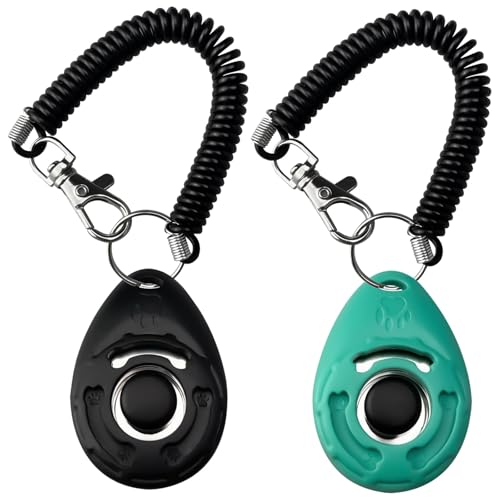
Instant Attention & Clear Sound: This dog clicker for training produces a sharp, consistent sound that’s perfect for clicker training dogs, puppies, cats, and even birds or horses. Works great as a dog clicker to stop barking and reinforce positive behaviors quickly.

4 pack Pet Training Clicker 4 different colors- black, red, white, blue
Establishing a Routine
Establishing a consistent potty routine helps your dog understand when and where they should relieve themselves. Set specific times for bathroom breaks, such as first thing in the morning, after meals, and before bedtime. Bring your dog outside frequently, particularly after eating or drinking, to reinforce the habit.
Use a specific command, like “Go potty,” every time you take your dog outside. This helps them associate the command with the action. Be patient and consistent with the timing, even on weekends, to maintain predictability. Gradually, your dog will learn that these times are for bathroom breaks.
Positive Reinforcement Techniques
Positive reinforcement techniques encourage dogs to associate outdoor bathroom breaks with rewards. When your dog successfully goes outside, immediately offer praise, treats, or a favorite toy. This builds a positive connection between going outside and pleasant experiences.
Incorporate clicker training if your dog responds well to it. Click the device as soon as they start to relieve themselves, then follow up with a treat. Make sure to reward them within a few seconds of the behavior for the best results.
Also, consider your dog’s comfort level. If they seem anxious, spend time outside with them, play with them, or engage in a fun activity to help them relax. Ensure the outdoor environment feels safe and positive for your dog.
By combining routines and positive reinforcement techniques, you can successfully encourage your dog to go to the bathroom outside. Adapting to their needs and timing builds confidence, making outdoor potty breaks easier for both of you.
Conclusion
Getting your dog to go to the bathroom outside can be challenging but understanding their needs is key. By being patient and attentive to their behavior you can help them feel more comfortable outdoors. Remember to create a positive experience with treats and praise while establishing a consistent routine.
If health issues are a concern don’t hesitate to consult your veterinarian. They can provide valuable insights that might make a difference. With time and the right approach you’ll likely see improvements in your dog’s willingness to venture outside for potty breaks. Keep encouraging them and celebrate those small victories along the way. You’ve got this!
Frequently Asked Questions
Why won’t my dog go outside to relieve themselves?
Many dogs refuse to go outside due to fear, anxiety, or past traumatic experiences. Loud noises, aggressive encounters, or unfamiliar environments can create a strong aversion to outdoor spaces, leading to reluctance in bathroom breaks.
What signs indicate my dog might be anxious about going outside?
Signs of anxiety in dogs may include hiding, whining, or hesitating by the door. If your dog displays these behaviors, they may feel uncomfortable going outdoors.
How can I create a positive outdoor experience for my dog?
To create a positive outdoor environment, use treats, praise, and gradually introduce your dog to outdoor spaces. Make sure to choose quiet times and reinforce good behavior immediately after they relieve themselves outside.
Could my dog’s refusal to go outside be health-related?
Yes, underlying health issues like urinary tract infections or gastrointestinal problems might cause discomfort when your dog goes outside. It’s essential to consult a veterinarian if you suspect a health problem.
What is the best potty routine for my dog?
Establish a consistent potty routine by setting regular times for bathroom breaks. Maintain this routine even on weekends, and use specific commands like “Go potty” to signal bathroom time, helping your dog know what to expect.
How can environmental factors influence my dog’s willingness to go outside?
Weather conditions and noisy surroundings can impact your dog’s comfort. Ensure they feel safe and secure during extreme weather, choose appropriate times for potty breaks, and reduce distractions to encourage outdoor bathroom habits.
